

 Feed back
 Privacy Policy
Flavor Quest
The bustling streets of Dhaka come alive each evening with the aroma of Chotpoti, Bangladesh's beloved street food that represents more than just culinary tradition. This small-scale street food business in Dhaka has become a vital economic lifeline, demonstrating how micro-entrepreneurship can transform urban livelihoods for low-income communities. As urbanization accelerates across South Asia, informal food enterprises like Chotpoti stalls offer sustainable income opportunities while preserving cultural heritage.
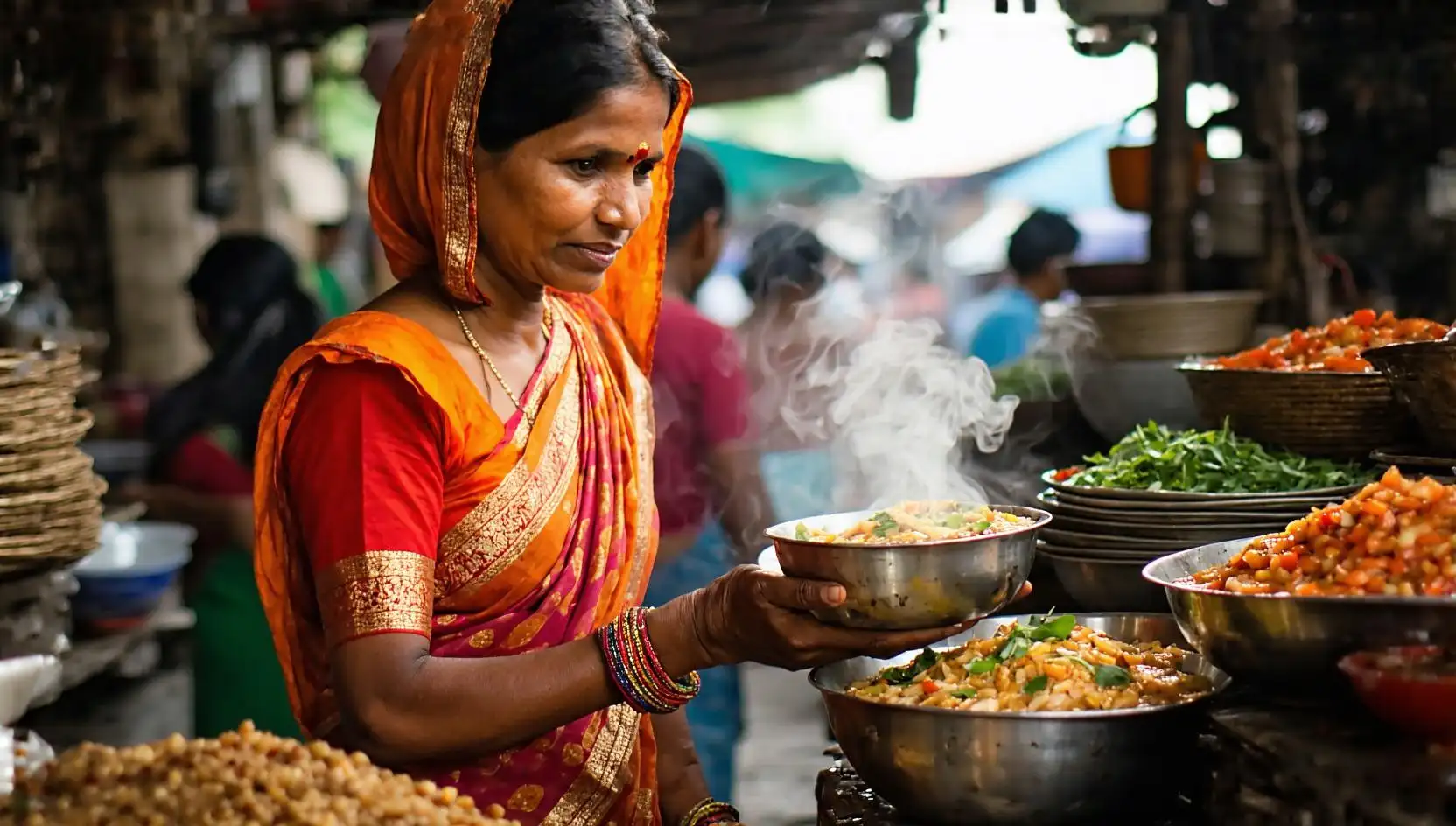
Beyond its delicious blend of boiled potatoes, chickpeas, eggs and tangy spices, Chotpoti embodies the resilience of Dhaka's informal economy. Found at nearly every street corner, this affordable snack bridges social divides while providing essential nutrition to students, laborers and office workers alike. The cultural significance of Chotpoti in Bangladesh cannot be overstated - it represents community, accessibility and the entrepreneurial spirit that defines urban survival strategies.
What makes Chotpoti particularly remarkable is its business model - requiring minimal startup capital yet generating meaningful income. Unlike formal restaurants, these micro-enterprises thrive on mobility, word-of-mouth marketing and deep community connections. The typical Chotpoti stall requires just a pushcart, basic utensils and fresh ingredients, making it accessible to those excluded from traditional employment.
Consider the daily routine of Mohammad, a Chotpoti vendor near Motijheel commercial district. His day begins before dawn at the wholesale market, carefully selecting ingredients that will determine his profit margins. By sunrise, he's preparing the signature spice blend that regular customers recognize. Strategic positioning near office buildings ensures steady traffic from breakfast through late afternoon, with university areas becoming prime locations in the evening.
Recent studies by the Bangladesh Bureau of Statistics reveal that established Chotpoti vendors typically earn 25,000-40,000 BDT monthly - often outperforming entry-level formal sector jobs. With startup costs under 15,000 BDT and profit margins reaching 40-60% in high-traffic locations, these micro-enterprises demonstrate remarkable economic efficiency. Seasonal variations do occur, with monsoon months presenting challenges that vendors mitigate through diversified offerings or temporary relocation.
The Chotpoti phenomenon exemplifies micro-entrepreneurship at its most effective - transforming underemployed individuals into business owners with minimal barriers to entry. Many vendors transition from precarious jobs like rickshaw pulling or garment work, drawn by the autonomy and earning potential of street food vending. The skills required are often family-taught, creating intergenerational economic mobility within communities.
Despite its advantages, Chotpoti vending faces systemic challenges including regulatory uncertainty and lack of social protections. Vendors frequently navigate complex relationships with local authorities, balancing permit requirements with the need for prime locations. Recent municipal initiatives aiming to "modernize" street vending often inadvertently threaten these livelihoods, highlighting the need for policies that recognize informal micro-entrepreneurship as vital urban infrastructure.
Within Dhaka's informal economy - estimated at 60% of total employment - Chotpoti vendors play multiple roles: food providers, employers and community builders. Their stalls become neighborhood institutions, fostering social cohesion in rapidly changing urban landscapes. Importantly, they demonstrate how informal enterprises can achieve household income stability often unattainable through wage labor.
A notable trend is women's increasing participation in Chotpoti businesses, particularly in residential areas. While cultural norms traditionally limited female street vending, economic necessity and changing attitudes have created new opportunities. Many women now manage daytime operations near schools and markets, with family members assisting during peak hours. This shift has important implications for gender equality and household financial resilience.
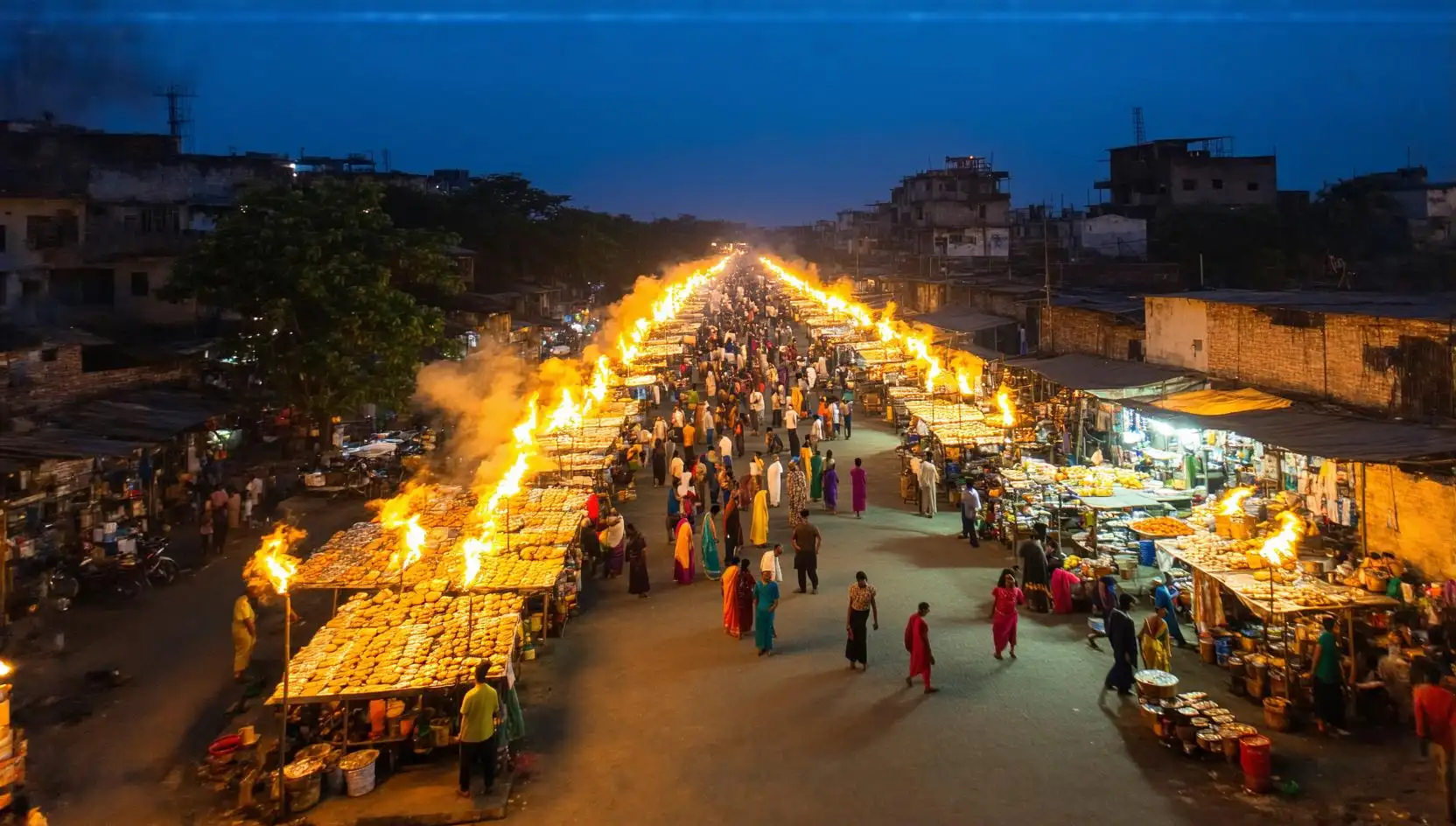
The Chotpoti business model offers valuable lessons for cities grappling with urbanization and informal employment. Its success stems from cultural relevance, low barriers to entry and adaptability - qualities that development initiatives should preserve while addressing legitimate concerns about food safety and urban planning. With appropriate support systems including microfinance and vendor associations, Dhaka's Chotpoti entrepreneurs could achieve even greater economic stability while maintaining their vital role in urban food systems.
What makes Chotpoti different from other street foods in Dhaka? The dish's preparation simplicity, cultural significance and high profit margins distinguish it within Bangladesh's vibrant street food scene.
How can aspiring vendors start a Chotpoti business? Successful entrepreneurs emphasize location scouting, ingredient sourcing relationships and gradual expansion based on customer feedback.
Can Chotpoti businesses formalize without losing their essence? Some vendors have transitioned to semi-permanent stalls or small restaurants while maintaining the authentic street food experience that customers value.
Rahman
|
2025.07.23
